
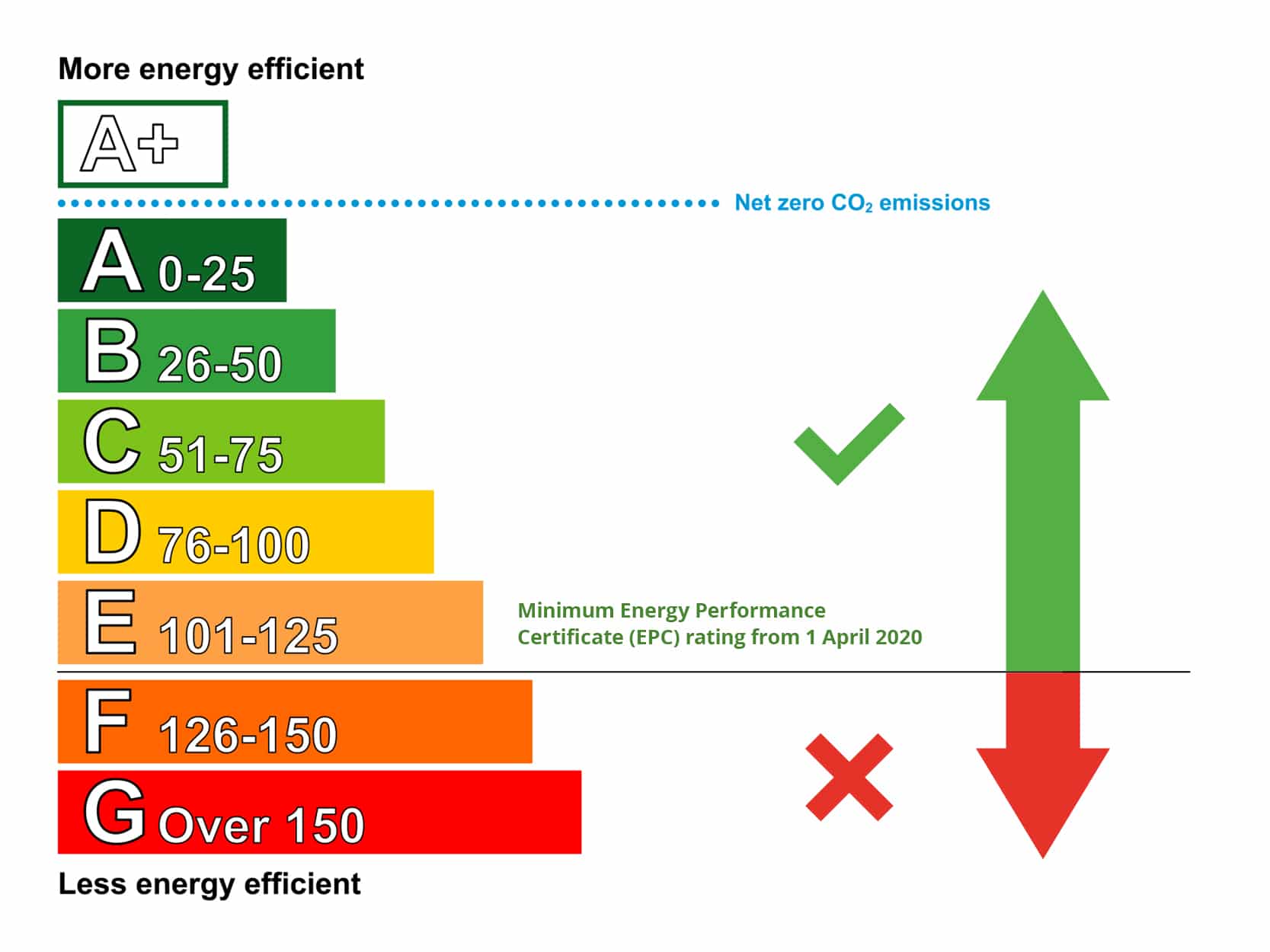
Residential Energy Performance Certificates (EPCs) are essential documents that provide information about the energy efficiency of a home in the United Kingdom. They are designed to help homeowners, tenants, and potential buyers understand the energy performance of a property and make informed decisions when purchasing, renting, or investing in a home. This article explores various aspects of Domestic EPCs, including their purpose, requirements, exceptions, and the process of obtaining one.
The Importance of a Domestic Energy Performance Certificate
A Domestic EPC is a legal requirement in the UK, which aims to provide an energy efficiency rating for domestic properties. It offers insight into the energy performance of a home, allowing prospective buyers or tenants to make informed decisions about the property they are considering. Additionally, Domestic EPCs serve as a tool for homeowners to identify areas where they can carry out improvements to increase the energy efficiency of their property, ultimately reducing energy consumption and costs.
Properties Requiring Domestic Energy Performance Certificates
Domestic EPCs are necessary for the following types of residential properties:
a. New builds: A Domestic EPC is required when constructing a new home. The builder or developer must provide an EPC to the homeowner upon completion.
b. Sales: When selling a property, the homeowner must supply a valid Domestic EPC to prospective buyers before the property is marketed.
c. Rentals: Landlords must give a valid Domestic EPC to potential tenants before renting out a property.
d. Social housing: Local authorities and housing associations must provide an EPC for properties they rent out.
It is important to note that EPCs are valid for ten years from the date of issue. However, if substantial improvements or changes have been made to the property during this period, it is advisable to obtain a new EPC to reflect the updated energy efficiency rating.
Exceptions to Domestic Energy Performance Certificate Requirements
There are a few situations where a Domestic EPC is not necessary:
a. Listed buildings: If a property is listed or situated in a conservation area, it could be exempt from requiring a Domestic EPC, as long as the necessary energy efficiency improvements would inappropriately alter the character or appearance of the building.
b. Temporary structures: Buildings with an intended use of less than two years are not required to have a Domestic EPC.
c. Places of worship: Buildings used primarily for religious activities are exempt from EPC obligations.
d. Stand-alone buildings: Buildings with a combined usable floor area of fewer than 50 square metres, which are not part of a larger unit or property, are exempt from necessitating a Domestic EPC.
The Process of Producing a Domestic Energy Performance Certificate
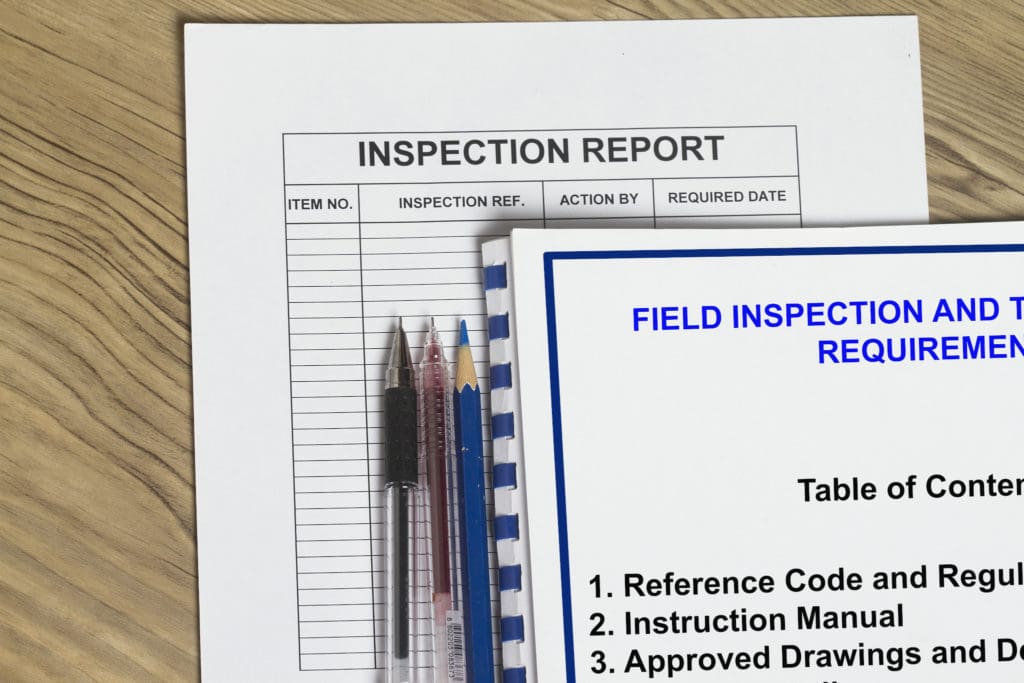
Domestic EPCs are carried out by accredited Domestic Energy Assessors (DEAs). The assessment involves a visual inspection of the property and its energy-related features, such as heating systems, insulation, windows, and lighting. The DEA collects this data and inputs it into government-approved software, which calculates the energy efficiency rating of the property.
Providing a Domestic EPC on Sale or Rent
When selling or renting a property, the homeowner or landlord must provide a valid Domestic EPC to prospective buyers or tenants. The EPC must be included in any advertising materials for the property and should be made available for inspection during property viewings. Failure to provide a Domestic EPC can result in a fine.
Contents of a Domestic Energy Performance Certificate
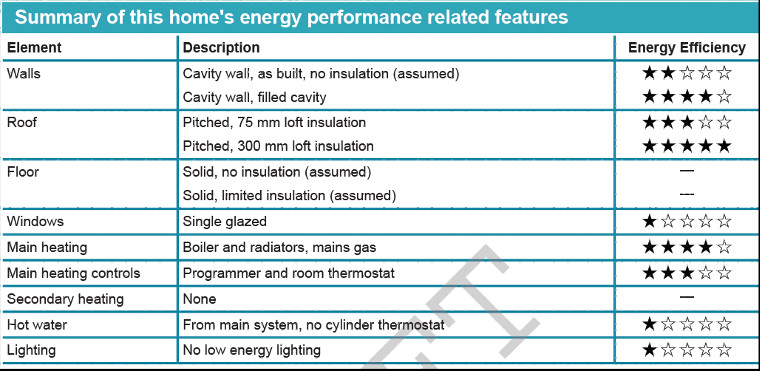
A Domestic EPC contains the following information:
a. Property address
b. EPC reference number
c. Date of issue and validity period
d. Energy efficiency rating: A graphical representation of the property’s energy efficiency, graded on a scale from A (most efficient) to G (least efficient).
e. Estimated energy costs: A breakdown of the estimated annual energy costs for heating, hot water, and lighting.
f. Recommendations for improvement: A list of suggested energy efficiency measures, along with their potential impact on the energy rating and estimated cost savings.
g. Property details: Information about the property’s construction, main heating systems, and insulation.
h. Assessor details: The name and contact information of the Domestic Energy Assessor who carried out the assessment.
To Sum it all up
Domestic Energy Performance Certificates play a crucial part in promoting energy efficiency in the UK’s residential properties. They are required for different situations, including new builds, property sales, and rentals. However, there are certain exceptions where a Domestic EPC is not required. Domestic EPCs are produced by certified assessors, who evaluate the energy performance of a property and provide recommendations for improvement. Homeowners and landlords must ensure they supply a valid EPC when selling or renting a property, as failure to do so can result in fines. Ultimately, Domestic EPCs are an essential tool for raising awareness about energy efficiency, guiding homeowners and tenants in making informed decisions about their properties, and contributing to the UK’s efforts towards a more sustainable future.
Looking for a qualified EPC Assessor in your Area?
Try the search form below for instant results!!
Select button for EPC Type and Postcode, then hit the "Find Assessors" button. The search the page will then display assessors in your area
EPC search form provided free by Go Local EPC Ltd